Improving Lives, Transforming Communities: The PENTSOS Story
The PENTSOS story is one of sustained social development, institutional growth and practical support for people and communities. As the social development arm of The Church of Pentecost, Pentecost Social Services (PENTSOS) implements interventions that improve access to education, healthcare, safe water, vocational skills, sustainable livelihoods and essential community infrastructure.
Over the years, PENTSOS has progressed from addressing immediate needs to implementing programmes that strengthen systems, build human capacity and create opportunities for long-term development. Its interventions reach Church members and the wider society, with particular attention to vulnerable people and underserved communities. This developmental approach is reflected in every learner supported, patient served, farmer assisted, young person trained and community provided with essential infrastructure.
Expanding Access to Education
Education is a significant part of the PENTSOS story because of its ability to expand opportunities and improve life outcomes. The Pentecost education system currently comprises 105 basic schools and Seven Second Cycle Schools, alongside Pentecost University. Across the basic and second-cycle institutions, 39,415 learners are supported by 2,398 teaching and non-teaching staff.
Through these institutions, children and young people have access to learning environments that support academic achievement, character development and the acquisition of skills needed for further education and employment. Scholarship and educational support have also reached over 4000 beneficiaries, helping to reduce financial barriers that could interrupt their education.
PENTSOS continues to invest in educational infrastructure, institutional management and learner support. These efforts are helping to build a more inclusive education system in which learners from different backgrounds can develop their abilities and pursue better opportunities.
Improving Healthcare Delivery
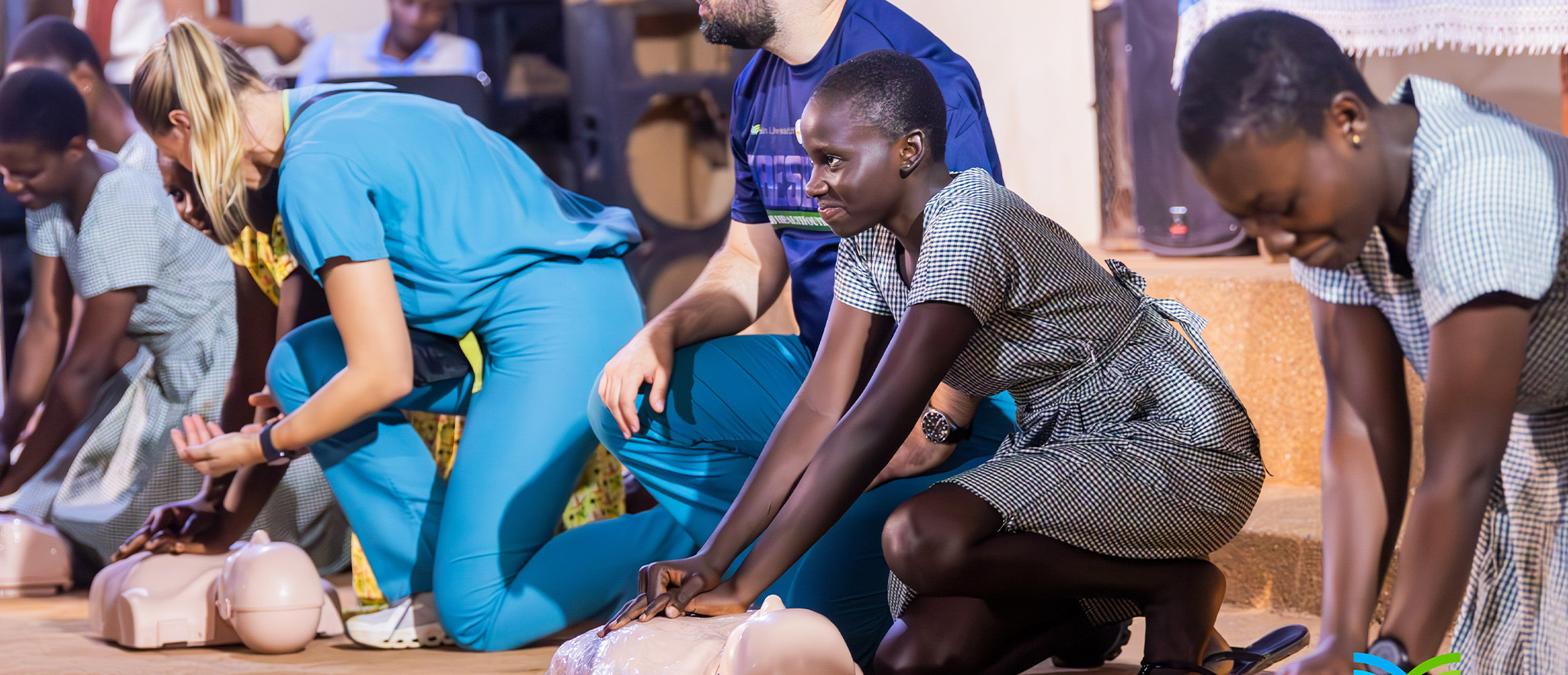
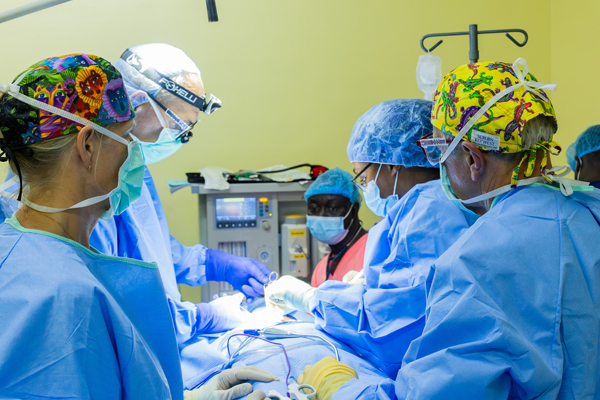
The PENTSOS story is also evident in the expansion of accessible healthcare. Pentecost Health Services, a member of the Christian Health Association of Ghana, operates 13 health facilities across the country, comprising five hospitals and eight clinics. These facilities provide healthcare services to people from different religious, social and economic backgrounds.
In 2025, the facilities recorded 246,583 outpatient visits and 4,901 institutional deliveries. Healthcare delivery was supported by approximately 1,310 employees working across clinical, administrative and other essential service areas.
Infrastructure development has remained central to improving the capacity and quality of the health system. The medical ward block at Pentecost Hospital, Madina, has been completed, while projects at Tarkwa, Dwarf Island, Koforidua, Abesewa, Kasapin, Agbevekope, Yawmatwa and Twifo Agona are at various stages of development. These investments are intended to increase service capacity, improve patient care and bring essential health services closer to communities.
Increasing Access to Safe Water
Access to safe water is essential to public health, education, productivity and community wellbeing. Between 2019 and 2026, PENTSOS drilled 312 boreholes, providing safe water to more than 150,000 people in underserved communities.
The impact of these facilities extends beyond the availability of drinking water. Reliable water sources reduce the risk of water-related diseases, limit the time spent searching for water and improve sanitation at the household and community levels. They also support school attendance and economic activities, particularly in communities where women and children often bear the responsibility of collecting water.
Through these interventions, PENTSOS is addressing a fundamental development need while helping communities establish healthier and more productive living conditions.
Building Skills and Creating Economic Opportunities
Sustainable development requires people to have the skills, resources and opportunities needed to earn an income. PENTSOS has therefore made vocational training, apprenticeship and enterprise development important components of its livelihood interventions.
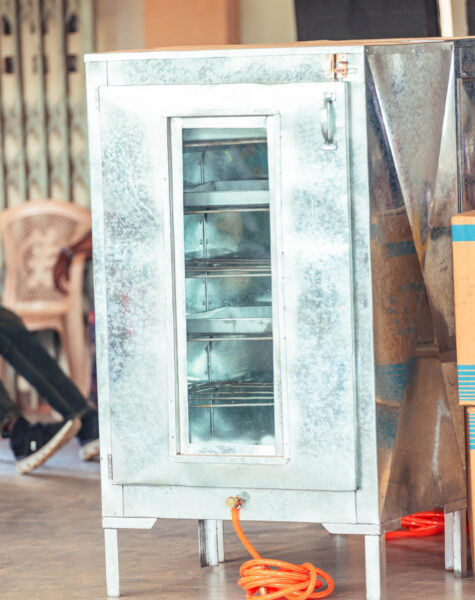
From 2024 to 2026, 202 master craftspersons received equipment to strengthen and expand their businesses. This support increased their productive capacity and enabled them to provide apprenticeship opportunities to young people seeking practical and employable skills. Within the period, over 1000 young people were enrolled or placed in apprenticeship programmes.
PENTSOS has also established 13 skills training centres to provide vocational training in selected communities. These centres create opportunities for hundreds of young people who may have limited access to formal education or employment. By combining practical training with business support, the interventions are helping beneficiaries move towards employment, self-employment and greater economic independence.
This aspect of the PENTSOS story demonstrates a shift from temporary support to investments that enable people to build livelihoods and contribute to their local economies.
Strengthening Agriculture and Household Resilience
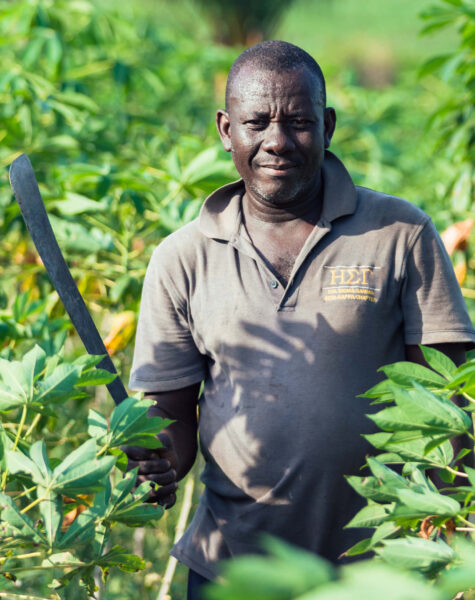
Agriculture remains a major source of livelihood for many households in Ghana. PENTSOS supports farmers with inputs, training, infrastructure and production opportunities to improve productivity and strengthen their resilience to economic and climatic pressures.
Since 2024, A total of 19,850 cashew seedlings have been distributed to 162 farmers, supporting the establishment of 491 acres of cashew plantations. The intervention provides farmers with a long-term agricultural investment that can generate income, create employment and strengthen household economic security.
Under the Juapong Agricultural Intervention, 29 farmers are cultivating 35 acres of land. An additional 66 farmers have benefited from household-level small-ruminant rearing. Irrigation initiatives at Tanga, Afram Plains and Dedesawirako are also improving access to water for agricultural production and helping farmers reduce their dependence on seasonal rainfall.
Together, these interventions are enabling farmers to increase production, diversify their livelihood activities and develop more reliable sources of income.
Supporting Underserved Communities
The PENTSOS story extends to communities where limited infrastructure restricts access to basic services. Twenty-three solar lighting systems have been installed in mission houses located in communities that are not connected to the national electricity grid. The installations have improved lighting, safety and living conditions while supporting ministry and community engagement in underserved locations.
PENTSOS has also supported the construction of correctional facilities at Damongo, Nsawam and Ejura. In addition, 271 inmates have been enrolled in apprenticeship programmes to acquire vocational skills that can support their reintegration and future livelihoods.
The construction of the Kawampe Police Station further contributes to community safety and improves access to essential public services. These interventions demonstrate that community transformation requires investment in people as well as the institutions and facilities that support social stability.
The PENTSOS Story Continues
The PENTSOS story can be seen in the lives and communities reached through its programmes. It is reflected in the learner who remains in school because financial support is available, the patient who receives healthcare closer to home, the young person who acquires a vocational skill, the farmer who gains access to productive resources and the household that receives safe water.
It is also a story of partnerships. PENTSOS works with communities, government institutions, development organisations and professionals to mobilise resources, strengthen service delivery and respond to identified needs. These collaborations have enabled the organisation to extend its reach and implement interventions across different sectors.
Although the figures demonstrate the scale of the work, the significance of the PENTSOS story lies in the changes created through these interventions. By strengthening institutions, expanding access to essential services and building the productive capacity of people, PENTSOS is contributing to healthier, more resilient and economically secure communities.
The story continues with a clear developmental purpose: to improve lives, widen opportunities and support communities to achieve sustainable transformation.
Contact
GZ-085-6400 1st Antwere gonno street PIWC GRACELAND